A Natural Approach to BPH That Deserves More Attention
6/28/20262 min read
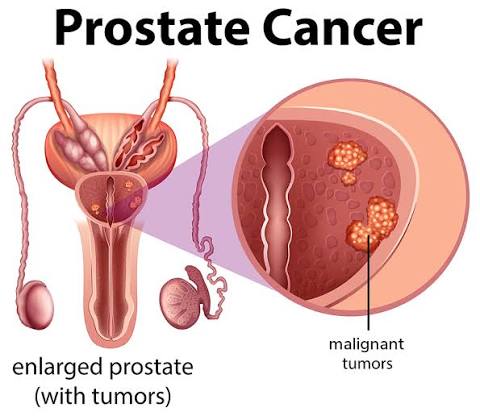
You shouldn't have to plan every outing around the nearest bathroom. Yet that's exactly what enlarged prostate symptoms can do. Broken sleep, constant urgency, and those frustrating dribbles afterward can make you feel like you're losing control of your own body.
It wears on you in quiet ways. You stop enjoying long drives. You think twice before sitting through a movie. Even intimacy can become stressful because you're distracted by symptoms that never seem to give you a break.
The first thing to know is this: you're not imagining it, and you're certainly not alone. As men get older, the prostate often grows larger. That growth can squeeze the urethra, the tube that carries urine out of your body. The bladder then has to work much harder just to empty itself.
That extra effort doesn't stay harmless forever. Over time, the bladder muscle can become overworked and irritated. Even when there's only a small amount of urine inside, it may signal that you need to go immediately. That's why urgency, weak flow, getting up several times each night, and feeling like your bladder never fully empties often appear together.
Many men focus only on making the urinary symptoms less noticeable. While symptom relief matters, it doesn't always explain why the bladder and prostate keep creating the same cycle.
Simple habits can sometimes make a noticeable difference. Drinking less fluid right before bed may reduce nighttime trips. Limiting caffeine and alcohol can help because both may irritate the bladder. Staying physically active also supports overall urinary health, and avoiding long periods of sitting may reduce pelvic discomfort for some men.
Medication helps many people, and for others it doesn't provide enough relief or causes side effects they don't like. Some eventually need procedures or surgery. That's why it's important to work with a healthcare professional, especially if symptoms suddenly worsen, you see blood in your urine, develop fever or severe pain, or cannot urinate at all.
One man I spoke with described carrying a mental map of every public restroom in his town. He wasn't lazy or careless. He had simply spent years trying to manage symptoms without fully understanding what was happening inside his body. Once he understood the mechanics, conversations with his doctor became much more productive.
The biggest shift often comes when you stop seeing frequent bathroom trips as the problem itself and start asking what is driving the prostate and bladder to behave that way.
That change in perspective doesn't replace medical care. It helps you ask better questions. It also makes it easier to separate evidence-based options from exaggerated promises that are everywhere online.
Natural approaches are part of that conversation for many men. Diet, weight management, exercise, stress reduction, and certain plant-based ingredients have all been studied to varying degrees. Some show promise for some people, while others have little evidence behind them. Understanding the difference can save you time, money, and disappointment.
After dealing with these questions myself, I put together a short free video that explains the research, what doctors look for, and how to think through natural options alongside conventional care.
If you're skeptical, I understand. That's exactly why I made the video clear, practical, and free to watch in private. If urinary symptoms continue to worsen or begin affecting bladder or sexual function, it's worth understanding your options sooner rather than later.
HealthyProstateHub.com
Pages
legal
This website contains affiliate links. If you make a purchase through one of these links, I may receive a small commission at no additional cost to you. The experiences shared on this site are personal and individual. Results are not guaranteed and can vary from person to person. All content is provided for informational purposes only and should not be considered medical advice. Always speak with a qualified healthcare professional before beginning any new health protocol or supplement.
© 2024. All rights reserved.