A Natural Way to Manage BPH Before Considering Surgery
6/22/20263 min read
You know where every bathroom is.
You think about it before every drive, every dinner, every night of sleep. And when you wake up for the third time before dawn, it's hard not to wonder what happened to the body you used to trust.
Benign prostatic hyperplasia, or BPH, rarely arrives all at once. It creeps in. The stream gets weaker. The urgency gets stronger. Sleep becomes fragmented. Even intimacy can feel different.
What makes it frustrating is that many men assume the prostate itself is the entire problem.
It's not quite that simple.
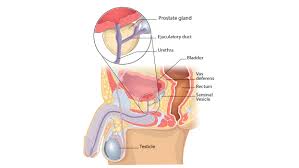
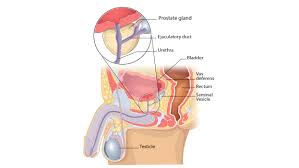
Your prostate naturally grows as you age. For some men, that growth starts pressing against the urethra, the tube that carries urine out of the body. Think of it like a hand slowly squeezing a garden hose. The pressure changes how urine flows, but that's only part of the story.
The bladder also changes.
After months or years of pushing against resistance, the bladder muscle can become overactive. It starts sending urgent signals even when it isn't full. That explains why some men rush to the bathroom constantly, yet still feel like they didn't completely empty their bladder.
This is why treating BPH often feels confusing.
A man can reduce evening fluids, avoid caffeine, and follow all the usual advice. Those steps may help. But if the bladder has already adapted to years of strain, symptoms can continue even when he's doing everything right.
That's something many people never hear.
A retired teacher once described it perfectly. He wasn't bothered most by the bathroom trips themselves. He was bothered by the planning. Every outing required an exit strategy. Every night carried the question of how many times he'd wake up.
That loss of freedom can wear on you.
The good news is that surgery is not the first step for everyone.
Weight management, regular movement, better blood sugar control, and reducing chronic inflammation can all influence prostate and urinary health. Research continues to show links between metabolic health and worsening BPH symptoms. When the body functions better overall, the urinary system often benefits too.
Sleep matters as well.
Poor sleep raises stress hormones and inflammation. Then nighttime urination interrupts sleep even more. Many men get trapped in that cycle without realizing it.
But here's the part that often changes how people see the problem.
The real issue may not be how large your prostate has become, but why your urinary system has been struggling to compensate for years.
That shift matters.
When you focus only on shrinking tissue or suppressing symptoms, you may miss the bigger picture. Understanding what is driving the pressure, irritation, and bladder changes underneath can lead to a very different conversation about what to do next.
That doesn't mean every case of BPH can be handled naturally. Some situations require medical treatment. Some require close monitoring. Sudden inability to urinate, blood in the urine, repeated infections, or severe symptoms deserve prompt medical attention.
But many men sit somewhere in the middle.
Not in crisis.
Not feeling well either.
And those men often benefit most from understanding what's happening inside their bodies before rushing toward more aggressive options.
If you're skeptical, that's understandable. Most men have already read plenty of advice and still find themselves getting up multiple times a night.
After going through this myself, I put together a short free video that goes deeper into exactly this. I explain the underlying factors that can influence BPH symptoms and why some common approaches leave men feeling stuck.
The longer urinary issues continue, the greater the chance they can affect bladder function and quality of life. Understanding what's happening sooner gives you more options, not fewer.
HealthyProstateHub.com
Pages
legal
This website contains affiliate links. If you make a purchase through one of these links, I may receive a small commission at no additional cost to you. The experiences shared on this site are personal and individual. Results are not guaranteed and can vary from person to person. All content is provided for informational purposes only and should not be considered medical advice. Always speak with a qualified healthcare professional before beginning any new health protocol or supplement.
© 2024. All rights reserved.