A Simple Nighttime Remedy That May Help an Enlarged Prostate
6/17/20263 min read
You know the feeling.
You finally get comfortable in bed, drift off, and then your bladder wakes you up again. One trip becomes two. Then three. By morning, you feel like you never slept at all.
What makes it harder is how quietly this problem takes over your life. You start scanning every room for a bathroom. Long drives become stressful. Even intimacy can feel different when your body no longer responds the way it used to.
If that sounds familiar, you're not imagining it.
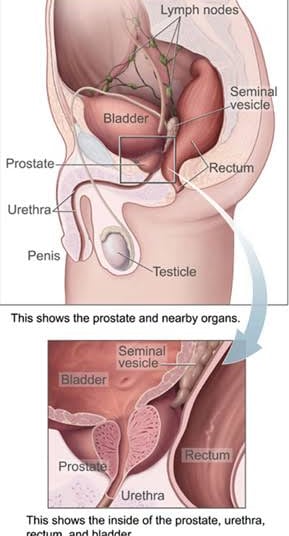
An enlarged prostate, often called benign prostatic hyperplasia (BPH), becomes more common as you get older. The prostate sits just below the bladder and wraps around part of the urethra. As it grows, it can squeeze that passageway and make it harder for urine to flow normally.
That pressure creates symptoms most men recognize immediately. A weak stream. Frequent urges. Trouble emptying the bladder completely. The feeling that you have to go again even though you just went.
Nighttime is often the worst.
When you lie down, fluid that collected in your legs during the day can move back into circulation. Your kidneys then process that fluid, creating more urine while you're trying to sleep. If your prostate already limits flow, those overnight bathroom trips can become relentless.
One natural approach that gets attention involves reducing inflammation and supporting normal urinary function before bed. Foods rich in lycopene, such as cooked tomatoes, and nutrients like zinc have been studied for their relationship to prostate health. Some men also find that limiting evening fluids, caffeine, and alcohol reduces nighttime urgency.
But here's where things get interesting.
A lot of men spend years focusing only on the bladder symptoms. They try to manage the urgency, the frequency, and the interrupted sleep. Yet they never stop to ask why the prostate keeps becoming more reactive in the first place.
I once spoke with a retired teacher who kept a flashlight beside his bed because he got up so often at night. He had already cut back on coffee. He avoided drinking after dinner. He even mapped bathroom locations before leaving home. Those changes helped somewhat, but he still felt trapped by the problem because the underlying issue remained.
That's why understanding what's happening inside the body matters.
The prostate is not simply a lump of tissue that grows for no reason. Hormonal changes, inflammatory processes, blood flow, and aging tissues all interact over time. When one part of that system becomes imbalanced, symptoms can gradually worsen.
The symptom is the bathroom trip. The deeper issue is what keeps signaling the prostate to stay enlarged and irritated.
That distinction changes how you think about the problem.
Instead of viewing frequent urination as the condition itself, you begin seeing it as a message. Your body is telling you that something underneath deserves attention.
And that matters because ongoing prostate enlargement doesn't just affect sleep. Left unchecked, urinary symptoms can become more disruptive, and concerns about sexual function often become part of the picture as well.
The good news is that understanding the underlying drivers opens the door to options many men never hear about during casual conversations or internet searches.
I know you may be skeptical. Most men are after hearing countless claims and conflicting advice.
After going through this myself, I put together a short free video that goes deeper into exactly this and explains why so many common approaches focus on the symptom rather than the underlying cause.
It stays completely private, costs nothing to watch, and may help you understand what could be contributing to those nighttime bathroom trips. The longer prostate issues continue, the more likely they are to affect daily comfort and quality of life, so understanding what's happening sooner is simply the smarter move.
HealthyProstateHub.com
Pages
legal
This website contains affiliate links. If you make a purchase through one of these links, I may receive a small commission at no additional cost to you. The experiences shared on this site are personal and individual. Results are not guaranteed and can vary from person to person. All content is provided for informational purposes only and should not be considered medical advice. Always speak with a qualified healthcare professional before beginning any new health protocol or supplement.
© 2024. All rights reserved.