Can an Enlarged Prostate Shrink Naturally? What Doctors Want You to Know
6/27/20262 min read
If you're planning every outing around the nearest bathroom, you're not imagining how much this can take over your life. Waking several times a night, dealing with a weak stream, or worrying about sudden urgency can leave you tired, frustrated, and wondering if it will only get worse.
Those feelings are common. They also deserve more than vague advice or unrealistic promises.
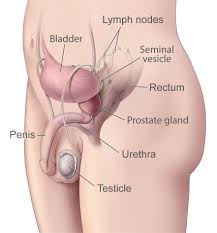
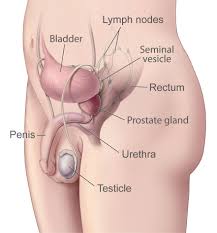
The first thing to understand is that an enlarged prostate doesn't usually shrink overnight, even with healthy habits. The prostate tends to grow gradually with age, largely because of changes in hormones and the way prostate cells respond over time. That growth can squeeze the urethra, making it harder for urine to pass normally.
That's why the symptoms often seem unrelated at first. You may notice getting up twice a night before realizing you're also taking longer to empty your bladder or needing to find a restroom more often during the day.
The encouraging news is that lifestyle changes can make a meaningful difference for some men, especially when symptoms are mild.
Cutting back on fluids a few hours before bed may reduce nighttime trips. Limiting alcohol and excess caffeine can help because both can irritate the bladder and increase urgency. Staying physically active supports overall urinary health, while maintaining a healthy weight may reduce pressure on the bladder.
Constipation is another factor many people overlook. A full bowel can press against the bladder and worsen urinary symptoms. Eating enough fiber and staying hydrated throughout the day can sometimes make bathroom visits easier in more ways than one.
It's also worth reviewing your medications with your healthcare provider. Some cold medicines and antihistamines can tighten muscles around the bladder outlet, making it harder to urinate if you already have an enlarged prostate.
One mistake is assuming every urinary problem comes from aging alone. Similar symptoms can also be caused by bladder problems, infections, certain medications, or other medical conditions. That's one reason it's important to discuss new or worsening symptoms with a healthcare professional instead of guessing.
Think about the man who finally mentioned his bathroom struggles during a routine checkup after quietly rearranging road trips, sporting events, and family dinners for nearly two years. He wasn't looking for a miracle. He simply wanted to understand what was happening. That conversation gave him options he didn't know existed.
The goal isn't simply to shrink the prostate. It's to understand what's causing your symptoms and choose the approach that best matches your situation.
For some men, healthy habits are enough to improve quality of life. Others benefit from prescription medications that relax the muscles around the prostate or reduce its size over time. In certain cases, minimally invasive procedures or surgery may be the most effective choice. The right answer depends on your symptoms, overall health, and what your evaluation shows.
If you ever find yourself unable to urinate, notice blood in your urine, develop fever with urinary symptoms, or experience severe pain, seek medical care promptly. Those symptoms need immediate evaluation.
I remember how confusing all of this felt when I first started learning about prostate health, so I put together a short free video that walks through the common causes of urinary symptoms, the treatments doctors consider, and the questions worth asking at your next appointment.
If your symptoms continue to worsen, they can affect your sleep, bladder function, and daily life. Understanding what's happening sooner can help you make informed decisions with your healthcare provider.
HealthyProstateHub.com
Pages
legal
This website contains affiliate links. If you make a purchase through one of these links, I may receive a small commission at no additional cost to you. The experiences shared on this site are personal and individual. Results are not guaranteed and can vary from person to person. All content is provided for informational purposes only and should not be considered medical advice. Always speak with a qualified healthcare professional before beginning any new health protocol or supplement.
© 2024. All rights reserved.