How Men Are Reducing Prostate Enlargement Without Surgery
6/18/20262 min read
You know exactly where every bathroom is.
You think twice before long drives, movies, or even a full night's sleep. Waking up three, four, sometimes five times to urinate starts to wear you down in ways other people rarely see.
What makes it harder is how quietly it chips away at your confidence.
You tell yourself it's just part of getting older. Yet a small voice keeps asking whether it's going to get worse.
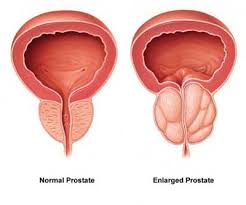
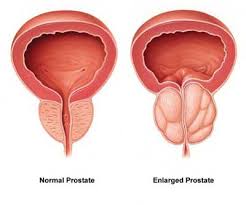
The truth is that an enlarged prostate affects far more than urination. As the prostate grows, it can press against the urethra like a hand squeezing a garden hose. The bladder has to work harder to push urine through that narrowed passage.
At first, the changes seem minor.
A weaker stream. More urgency. A feeling that your bladder never fully empties.
Over time, the bladder muscle can become irritated from constantly overworking. That's why some men feel an urge to go again shortly after they've already been to the bathroom.
This is also why simply drinking less water often backfires.
You may make fewer trips for a while, but concentrated urine can irritate the bladder even more. Many men discover that the problem isn't just how much urine they produce. It's how efficiently their urinary system is functioning.
One thing doctors have noticed for years is that symptoms and prostate size don't always match. A man with a moderately enlarged prostate can struggle badly, while another with a larger prostate may have fewer symptoms.
That surprises people.
It suggests there's more happening beneath the surface than simple enlargement alone.
You can see this in the man who avoids evening drinks, limits caffeine, follows advice carefully, and still finds himself staring at the ceiling at 2 a.m. waiting for another bathroom trip. He's doing the right things, yet something still feels unresolved.
Part of the reason is that symptom management and root causes are not always the same thing.
Medications can help some men. Surgery helps certain cases. Lifestyle changes matter. But these approaches often focus on improving the effects of the condition rather than understanding every factor contributing to it.
The question isn't only why the prostate is larger. It's why the prostate environment changed enough to allow those symptoms to develop in the first place.
That shift in thinking changes everything.
Instead of viewing nighttime urination, urgency, and weak flow as isolated problems, you begin looking at the biological processes influencing prostate health as a whole.
Researchers continue to study the roles of inflammation, circulation, hormone changes, and age-related cellular activity inside prostate tissue. The science is still evolving, but one thing has become clear: the prostate is not a simple on-and-off organ. Multiple systems affect how it behaves over time.
Understanding that can remove some of the fear.
It means your body isn't randomly betraying you.
It means there may be factors involved that you haven't been shown before.
And when you understand those factors, you can start asking better questions about your options.
If you're skeptical, that's reasonable. Most men have already heard plenty of advice that led nowhere.
After going through this myself, I put together a short free video that goes deeper into exactly this and explains the overlooked factors that helped me understand what was really happening with my prostate.
It walks through the connection many men miss and why focusing only on symptoms can leave important questions unanswered. If prostate issues continue progressing, they can affect urinary function, sleep quality, and sexual health more significantly over time. Understanding what's happening sooner gives you more options, not fewer.
HealthyProstateHub.com
Pages
legal
This website contains affiliate links. If you make a purchase through one of these links, I may receive a small commission at no additional cost to you. The experiences shared on this site are personal and individual. Results are not guaranteed and can vary from person to person. All content is provided for informational purposes only and should not be considered medical advice. Always speak with a qualified healthcare professional before beginning any new health protocol or supplement.
© 2024. All rights reserved.