Is Your Enlarged Prostate Getting Worse? Try This Natural Approach
7/1/20263 min read
You’re tired of planning every outing around the nearest bathroom. You’re even more tired of waking up three or four times a night, only to stand there waiting for a weak stream that never feels complete.
It wears on you in ways few people see. Your sleep suffers. Your confidence slips. Even quiet moments with your partner can start to feel different.
If this sounds familiar, you’re not imagining it. An enlarged prostate can slowly take over your daily routine without causing sharp pain. That’s why so many men ignore it until they realize their whole life has adjusted around it.
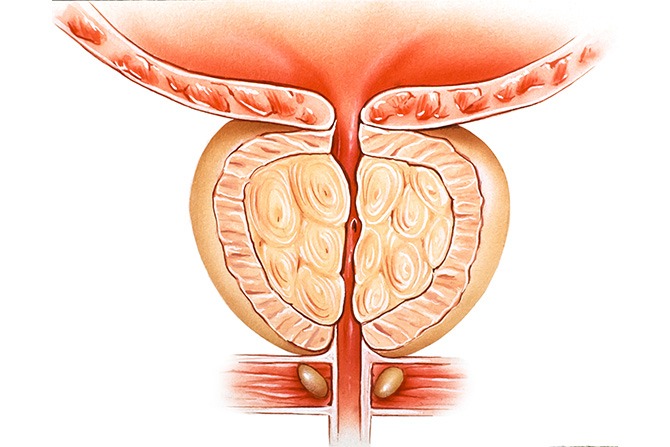
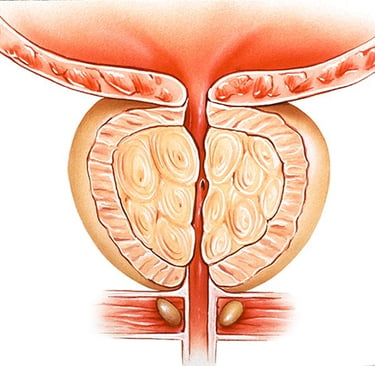
The prostate naturally changes with age, but size is only part of the story. As it grows, it can squeeze the urethra like a thumb pressing on a garden hose. The bladder has to push harder just to empty. Over time, that extra work can leave it irritated and less efficient.
That helps explain why you may feel the urge to urinate even when your bladder isn't very full. It also explains why you can finish in the bathroom, then feel like you need to go again only minutes later.
Many men focus only on getting through the next bathroom trip. They cut back on water, avoid traveling, or memorize every public restroom nearby. Those changes might make life easier for a while, but they don't address why the symptoms keep creeping forward.
Food choices, body weight, movement, sleep quality, and ongoing inflammation can all influence how the prostate and bladder behave. None of these alone explains every case, but together they can make symptoms noticeably better or noticeably worse.
One man I spoke with had already stopped drinking coffee after lunch, limited evening fluids, and never missed his doctor's appointments. He expected those changes to solve everything. They helped a little, but he still found himself awake before dawn every night because something deeper was still driving the problem.
That’s why it's worth paying attention to patterns instead of isolated symptoms. Do certain foods make urgency worse? Does sitting for long hours leave you feeling more pressure? Does poor sleep lead to more nighttime trips? Those small clues often reveal more than people expect.
The biggest mistake isn't treating frequent urination. It's assuming the bladder is the real problem when the changes affecting the prostate may have started much earlier.
That shift matters because symptoms are often the final chapter, not the beginning of the story. By the time you're waking several times each night, your body has usually been adapting for quite a while. Understanding those underlying changes can help you have a much more useful conversation with your healthcare provider and make lifestyle choices that support prostate health instead of simply reacting to discomfort.
Natural approaches won't shrink every enlarged prostate, and they shouldn't replace proper medical care. Blood in the urine, severe pain, fever, or a complete inability to urinate need prompt medical attention. But if your symptoms are mild to moderate, learning what may be contributing to them gives you more options than simply accepting that this is part of getting older.
I understand if you're skeptical. I was too when I first started looking beyond the usual advice.
After going through this myself, I put together a short free video that goes deeper into exactly what I learned about supporting prostate health naturally and why so many men focus on the wrong thing first.
If your symptoms continue to progress, they can interfere with sleep, bladder function, and even sexual health over time. Understanding what's happening now gives you a better chance to respond before they become harder to manage.
HealthyProstateHub.com
Pages
legal
This website contains affiliate links. If you make a purchase through one of these links, I may receive a small commission at no additional cost to you. The experiences shared on this site are personal and individual. Results are not guaranteed and can vary from person to person. All content is provided for informational purposes only and should not be considered medical advice. Always speak with a qualified healthcare professional before beginning any new health protocol or supplement.
© 2024. All rights reserved.