Living With BPH Doesn't Always Mean Surgery Is Your Only Option
6/26/20262 min read
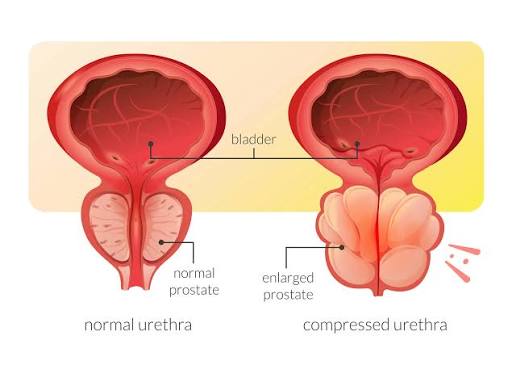
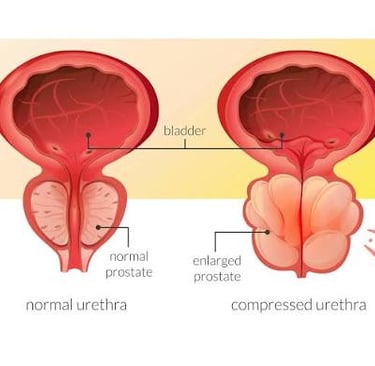
You know where every bathroom is before you leave home. You wake up more than once each night. Sometimes the urge comes so suddenly that you barely make it in time. That can wear you down in ways other people rarely see.
If this sounds familiar, you're not alone. Benign prostatic hyperplasia, or BPH, becomes more common as men get older. While it isn't prostate cancer, it can make everyday life frustrating and exhausting.
One of the biggest misunderstandings about BPH is that an enlarged prostate is the whole story. Size matters, but it isn't the only reason symptoms happen. The muscles around the prostate and bladder can tighten, the bladder itself can become more sensitive after years of working harder, and inflammation may also play a role for some men.
That helps explain why two men with similarly enlarged prostates can have very different symptoms.
The frequent urge to urinate happens because the bladder has to push against increased resistance. Over time, the bladder muscle may become thicker and more irritable. Even when it holds only a small amount of urine, it can signal that it's time to go.
Nighttime trips to the bathroom are especially frustrating because they interrupt deep sleep. Poor sleep can leave you feeling tired, affect your mood, and make it harder to concentrate during the day. Many men assume they simply have to live with it, but that's not always true.
Several nonsurgical approaches can improve symptoms, depending on what's causing them. Limiting fluids a few hours before bed may reduce nighttime urination. Cutting back on caffeine and alcohol can help if they irritate your bladder. Maintaining a healthy weight and staying physically active are also linked with better urinary health.
Some prescription medications relax the muscles around the prostate and bladder neck, making urine easier to pass. Others work by gradually shrinking the prostate over time. For certain men, minimally invasive office procedures may also be appropriate if lifestyle changes and medication are not enough.
The most effective approach often comes from understanding why your symptoms are happening, not simply reacting to every trip to the bathroom.
That's why it's important not to judge your condition by symptoms alone. A healthcare professional can evaluate whether your symptoms are caused by BPH or another condition, such as an overactive bladder, urinary tract infection, bladder stones, or, less commonly, prostate cancer. Getting the right diagnosis leads to better decisions.
I remember how discouraging it felt when every day seemed planned around restroom stops. Learning what was actually happening made the situation feel far less overwhelming because I finally understood the options available.
If you'd like a simple explanation of how BPH develops, why symptoms can differ from person to person, and what evidence-based treatment options are available, I've put together a short free video that walks through these topics in plain language.
Ignoring worsening urinary symptoms can allow complications such as urinary retention or bladder problems to develop over time. Understanding what's happening early gives you more choices to discuss with your healthcare provider.
HealthyProstateHub.com
Pages
legal
This website contains affiliate links. If you make a purchase through one of these links, I may receive a small commission at no additional cost to you. The experiences shared on this site are personal and individual. Results are not guaranteed and can vary from person to person. All content is provided for informational purposes only and should not be considered medical advice. Always speak with a qualified healthcare professional before beginning any new health protocol or supplement.
© 2024. All rights reserved.