Natural Prostate Relief More Men Over 60 Are Talking About
6/24/20262 min read
You know the location of every bathroom in places you visit.
You wake up tired because your bladder wakes you first. Not the alarm. Not the sunrise. The bladder.
What makes it harder is how quietly this problem steals pieces of your life. You leave movies early. You avoid long drives. You think twice about intimacy because you never feel fully relaxed.
If that sounds familiar, you're not imagining it. An enlarged prostate can affect far more than urination.
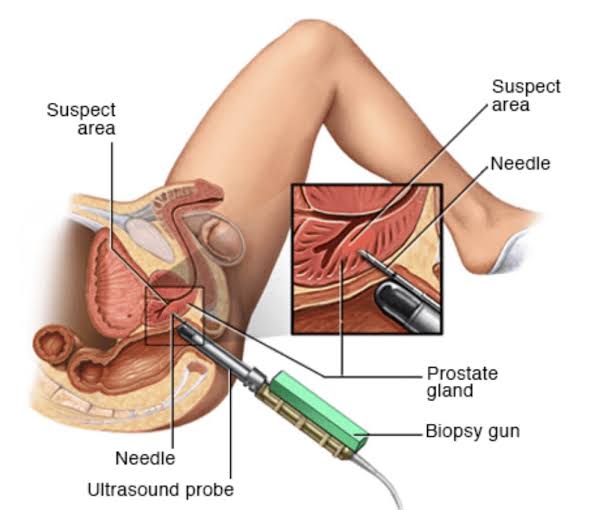
As men get older, the prostate often grows larger. The problem is simple in theory. The prostate sits below the bladder and wraps around the urethra, the tube that carries urine out of the body. As it enlarges, it presses on that tube like a hand squeezing a garden hose.
That pressure creates more than a weak stream.
Your bladder starts working harder to push urine through. Over time, the bladder muscle can become irritated and overactive. That's why you may feel sudden urges even when there isn't much urine present. It's also why many men feel they never completely empty their bladder.
The frustrating part is that the symptoms don't always match the size of the prostate.
A man can have a moderately enlarged prostate and struggle constantly. Another may have a larger prostate and notice fewer problems. The bladder's response often matters just as much as the enlargement itself.
This is where many common conversations about prostate health fall short.
Most attention goes toward reducing bathroom trips. That's understandable. Those trips disrupt sleep and dominate daily life. But focusing only on the urge to urinate can leave you feeling stuck because the urge is often the final result of changes that have been building for years.
I remember talking with a retired teacher who stopped drinking water after dinner. Then he stopped drinking much during the afternoon too. He thought less water meant fewer bathroom visits. Instead, he became more uncomfortable because concentrated urine can irritate the bladder and make urgency feel worse.
Sometimes the things that seem logical create new problems.
Lifestyle changes can help. Limiting late-evening fluids may reduce nighttime trips. Cutting back on excess caffeine and alcohol can calm bladder irritation. Regular movement helps circulation and metabolic health, both of which influence prostate function.
But those steps don't always explain why symptoms continue despite doing everything right.
The real issue often isn't the bathroom trips themselves. It's the underlying process causing the prostate and bladder to behave differently in the first place.
That shift in perspective matters.
When you start looking deeper than the symptoms, you stop measuring progress only by how many times you wake up at night. You begin asking better questions about what is happening inside your body and why.
That understanding often brings relief on its own. Not because the symptoms disappear overnight, but because you finally see the problem more clearly.
And clarity matters.
Men who understand what's driving these changes tend to make more informed decisions. They recognize warning signs earlier. They have more productive conversations with their doctors. Most importantly, they stop blaming themselves for something they didn't cause.
If you're skeptical, that's completely reasonable. Most men have already read plenty of prostate advice that led nowhere.
After going through this myself, I put together a short free video that goes deeper into exactly this and explains the underlying factors many men never hear about.
The video is completely free and private to watch. I walk you through what may be happening beneath the surface and why understanding it sooner can matter for both urinary and sexual function as the years pass.
HealthyProstateHub.com
Pages
legal
This website contains affiliate links. If you make a purchase through one of these links, I may receive a small commission at no additional cost to you. The experiences shared on this site are personal and individual. Results are not guaranteed and can vary from person to person. All content is provided for informational purposes only and should not be considered medical advice. Always speak with a qualified healthcare professional before beginning any new health protocol or supplement.
© 2024. All rights reserved.