Natural Ways to Support Prostate Health and Reduce Bathroom Trips
6/25/20262 min read
You’re tired of planning your day around the nearest bathroom.
You’re tired of waking up at 2 a.m., then 4 a.m., then staring at the ceiling while everyone else sleeps.
What makes it worse is how quietly this problem steals pieces of your life. You hesitate before long drives. You think twice about sitting through a movie. Intimacy starts to feel different. Not because you want it to, but because your body keeps interrupting.
If that sounds familiar, you’re not imagining it.
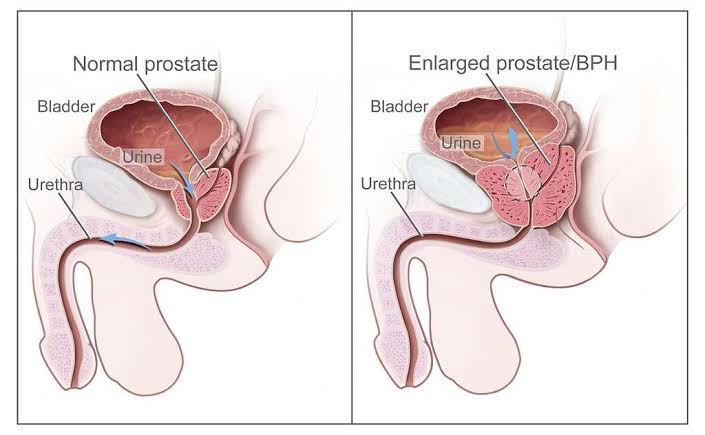
As men get older, the prostate often grows larger. That growth can press against the urethra, the tube that carries urine out of the body. Even a small amount of pressure can create surprisingly frustrating symptoms.
The strange part is that the size of the prostate does not always match the severity of symptoms.
Some men have a noticeably enlarged prostate and barely notice it. Others struggle with frequent urination, weak flow, or the feeling that their bladder never fully empties.
That happens because irritation, inflammation, muscle tension, and bladder sensitivity often play a role too.
This is where many men get confused.
They focus only on the prostate itself while ignoring everything happening around it.
A bladder that has spent years working against resistance can become overactive. The muscles involved in urination can become less coordinated. Certain foods, drinks, and habits can quietly make symptoms worse without you realizing it.
Caffeine is one example.
Many men notice their urgency improves when they reduce coffee, energy drinks, or large amounts of tea. Evening fluids can also affect nighttime bathroom trips more than expected.
Weight matters too.
Extra abdominal fat can increase pressure in the pelvic area and is associated with worsening urinary symptoms in many men. Even modest weight loss sometimes produces changes that feel surprisingly noticeable.
One of the most overlooked factors is movement.
The retired accountant who spends most of his day sitting often notices more urinary discomfort than when he stays active. Gentle daily walking improves circulation throughout the pelvic region and may help reduce some of the irritation that contributes to symptoms.
None of these changes work overnight.
That is why men who see improvement usually describe it as gradual. One week they wake up three times instead of four. A few weeks later they realize they sat through an entire dinner without searching for a restroom.
Small changes add up.
But there is another piece that often gets missed.
The real problem is not always how large the prostate becomes, but why the surrounding tissues stay irritated and inflamed in the first place.
That distinction changes how you think about the entire situation.
When you start looking beyond the symptom itself, certain patterns begin to make more sense. You stop asking only how to shrink the prostate and start asking what may be contributing to the ongoing pressure, irritation, and urinary changes.
That shift does not solve everything.
But it often explains why some approaches deliver limited results even when they seem logical on paper.
And perhaps most importantly, it reminds you that your situation is not necessarily a lost cause.
Your body is responding to something. Understanding that response matters.
After going through this myself, I put together a short free video that goes deeper into exactly this.
You may be skeptical, and that’s reasonable. If you decide to watch, I’ll walk you through the underlying factors that many men never hear about and the natural approach that helped me understand what was really happening.
The longer urinary symptoms continue, the more they can affect sleep, daily energy, and sexual function. Understanding the cause sooner gives you more options moving forward.
HealthyProstateHub.com
Pages
legal
This website contains affiliate links. If you make a purchase through one of these links, I may receive a small commission at no additional cost to you. The experiences shared on this site are personal and individual. Results are not guaranteed and can vary from person to person. All content is provided for informational purposes only and should not be considered medical advice. Always speak with a qualified healthcare professional before beginning any new health protocol or supplement.
© 2024. All rights reserved.