Natural Ways to Support Prostate Health Before Considering Surgery
7/7/20263 min read
Sleeping through the night can start to feel impossible when every few hours end with another trip to the bathroom. It wears you down quietly. You begin planning long drives around rest stops, avoiding evening drinks, and wondering if this is simply how life will be from now on.
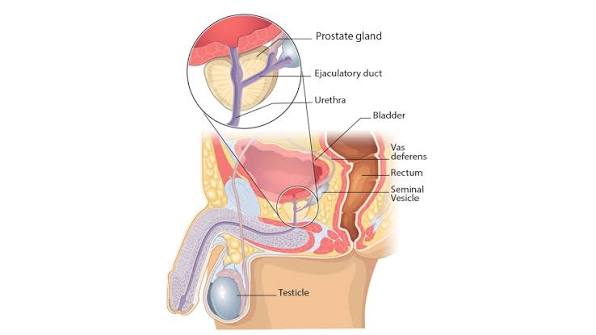
That frustration deserves to be taken seriously. Frequent urination, a weak stream, difficulty emptying the bladder, and getting up several times each night are common symptoms in men as they get older. Often, they are linked to an enlarged prostate, but they can also have other causes. That is why persistent or worsening symptoms should always be discussed with a healthcare professional instead of being ignored.
Many men find that simple habits can make daily life a little easier while they work with their doctor. For example:
Reducing fluids a couple of hours before bed may decrease nighttime bathroom trips.
Limiting alcohol and caffeine, especially in the evening, can help because both may irritate the bladder.
Staying physically active supports overall health and may improve urinary symptoms for some men.
Maintaining a healthy weight is associated with better urinary function.
Taking time to empty the bladder without rushing can sometimes reduce the feeling of needing to go again right away.
None of those ideas are dramatic, and none promise overnight results. They simply make sense because they reduce strain on the bladder or support overall health.
Still, honesty matters here.
Lifestyle changes can improve comfort for some people, but they do not replace proper medical evaluation. If symptoms are becoming more severe, blood appears in the urine, you develop pain, or you suddenly cannot urinate, those situations need prompt medical attention. Knowing the basics is helpful, but it does not tell you which approach is appropriate for your own situation.
That realization is what pushed me to keep learning.
For months, I was exhausted. I woke up over and over during the night. Sometimes I stood in the bathroom half asleep, waiting for a weak stream that barely started. The next morning I felt like I had never gone to bed at all.
I searched everywhere for answers. Some articles promised quick fixes. Others made it sound as though surgery was the only path left. Neither extreme felt right to me.
Eventually I came across an explanation about body position, bladder habits, and how changes in posture can influence comfort for some people. One description compared the idea to the way astronauts have to think differently about urination in space. That unusual comparison caught my attention because it sounded more like an interesting concept than a miracle claim.
I honestly did not know whether it would make any difference for me. I am not a doctor, and I cannot say it will help anyone else. I can only tell you what happened after I explored the idea and discussed my symptoms with my healthcare provider.
Over time, I noticed less pressure before bed. My nights became quieter. I was not rushing to the bathroom as often, and I finally started waking up feeling rested instead of defeated.
That experience also reminded me how easy it is to believe that there are only two choices: suffer in silence or jump straight to the most aggressive treatment. Real life is usually more complicated than that. Sometimes the next step is simply understanding your options better and asking better questions.
Because friends kept asking what I had learned, I put together a short video explaining the information that made the biggest difference to me, including the unusual "zero gravity" idea that first led me down this path. It is not a promise of results, and it is not a substitute for medical care. It is simply a clear explanation of what I found, why I thought it was worth exploring, and the questions I wish I had asked much sooner.
You have every reason to be skeptical. Health topics are full of exaggerated promises, and I wanted this video to be the opposite of that. If urinary symptoms continue getting worse, they deserve proper medical attention because several different conditions can cause them, and early evaluation can make a meaningful difference.
HealthyProstateHub.com
Pages
legal
This website contains affiliate links. If you make a purchase through one of these links, I may receive a small commission at no additional cost to you. The experiences shared on this site are personal and individual. Results are not guaranteed and can vary from person to person. All content is provided for informational purposes only and should not be considered medical advice. Always speak with a qualified healthcare professional before beginning any new health protocol or supplement.
© 2024. All rights reserved.