What Urologists Are Starting to Say About Natural BPH Relief
6/19/20262 min read
You know the routine.
You wake up at 2 a.m. needing to urinate. Then again at 4. By morning, you're exhausted before the day even starts.
You start noticing where every bathroom is. Long drives feel stressful. Date nights feel different. Even a good night's sleep starts to feel like a distant memory.
What makes it worse is that most men don't talk about it.
They quietly accept the constant urgency, the weak stream, the dribbling afterward, and the feeling that their bladder never completely empties. They tell themselves it's just part of getting older.
Age does play a role. But that explanation often leaves out an important piece of the puzzle.
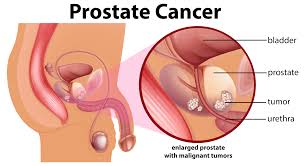
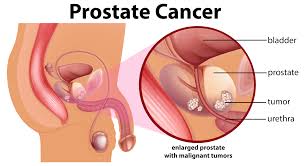
Benign Prostatic Hyperplasia, or BPH, happens when the prostate grows larger and begins pressing against the urethra. Think of it like a thumb pressing on a garden hose. The flow becomes weaker, slower, and less predictable.
That much is widely known.
What many men don't realize is that the prostate itself is only part of the story.
The bladder has been working harder for years to push urine through that narrowing passage. Over time, the bladder wall can become thicker and more irritable. That's one reason some men feel an urgent need to urinate even when very little urine is actually present.
This helps explain something that frustrates a lot of men.
A man can focus entirely on the prostate and still feel disappointed by his results because the urinary system has been adapting to the problem for years.
One retired accountant described it perfectly. He wasn't bothered most by the bathroom trips themselves. What wore him down was constantly thinking about them. Every outing required planning. Every night's sleep felt interrupted before it even began.
That loss of confidence is often harder than the physical symptoms.
Lifestyle changes can help. Reducing evening fluids, limiting alcohol before bed, maintaining a healthy weight, and staying physically active may reduce symptom severity for some men. These steps aren't exciting, but they matter.
Researchers have also spent years studying how inflammation, blood flow, hormone changes, and metabolic health may influence prostate enlargement and urinary symptoms. The picture appears more complex than simply "the prostate got bigger."
That's where many conversations are beginning to change.
The real issue may not be the size of the prostate alone, but the underlying processes that keep driving those urinary symptoms in the first place.
Once you see it that way, a lot of things start making more sense.
Why some men with larger prostates have relatively mild symptoms.
Why other men with less enlargement struggle every day.
Why focusing only on symptom management can sometimes feel incomplete.
This doesn't mean medications or medical procedures never have a place. They absolutely do for some men. But it does mean that understanding what is happening beneath the surface matters.
Because when you understand the mechanism, you can have a more informed conversation with your doctor and make decisions based on more than frustration.
If you're skeptical, that's completely reasonable. Most men have already heard plenty of claims and promises.
After going through this myself, I put together a short free video that goes deeper into exactly this and explains why some urologists are paying closer attention to factors beyond prostate size alone.
It also explores what can happen when urinary symptoms continue progressing over time, including effects on bladder function and quality of life. Understanding that sooner rather than later can make a meaningful difference.
HealthyProstateHub.com
Pages
legal
This website contains affiliate links. If you make a purchase through one of these links, I may receive a small commission at no additional cost to you. The experiences shared on this site are personal and individual. Results are not guaranteed and can vary from person to person. All content is provided for informational purposes only and should not be considered medical advice. Always speak with a qualified healthcare professional before beginning any new health protocol or supplement.
© 2024. All rights reserved.